news
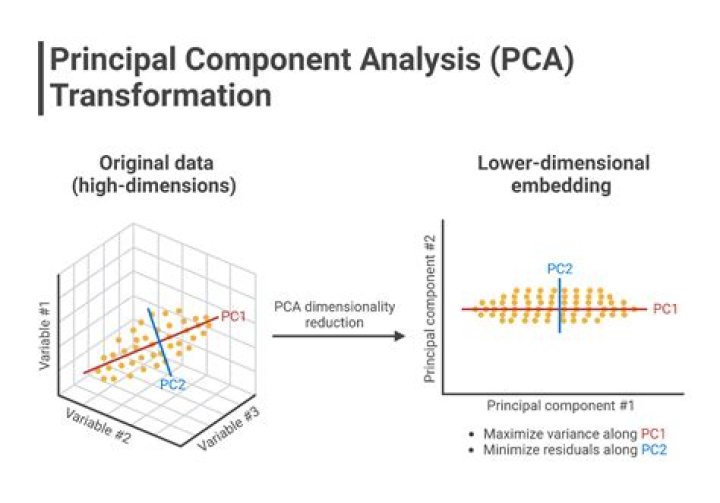
What does PCA stand for IV?
Patient-Controlled Analgesia Pump. A patient-controlled analgesia (PCA) pump is a device that releases medicine for pain that you control with a button. Y...
Apr 05, 2026 0 views
Expert insights and detailed technical documentation about News.
Patient-Controlled Analgesia Pump. A patient-controlled analgesia (PCA) pump is a device that releases medicine for pain that you control with a button. Y...

Today, Neal’s Yard Remedies offers the UK’s largest range of certified organic health and beauty products. Their Seven Dials Treatment Rooms offer over 30...
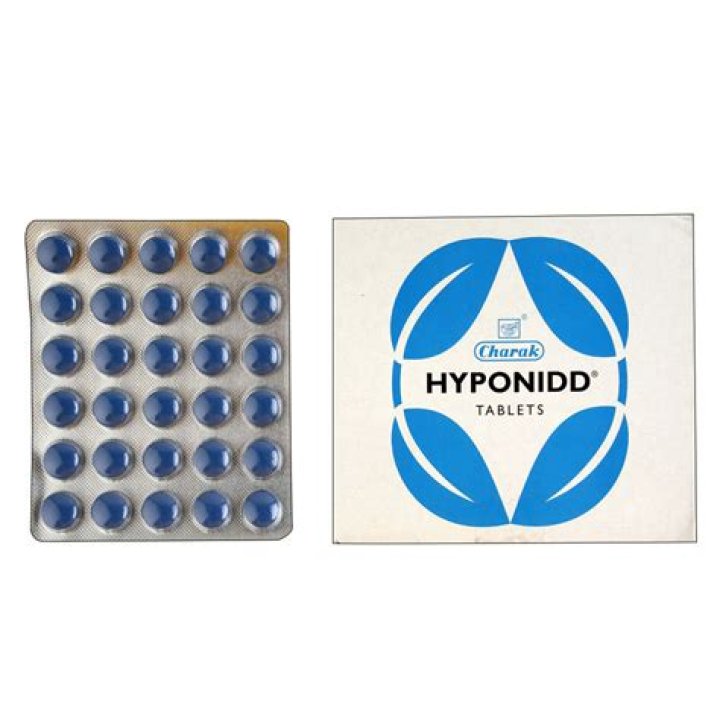
Hyponidd tablet is a unique combination of powerful ayurvedic herbs for improving metabolism and maintaining reproductive health in women. Herbs in Hyponi...
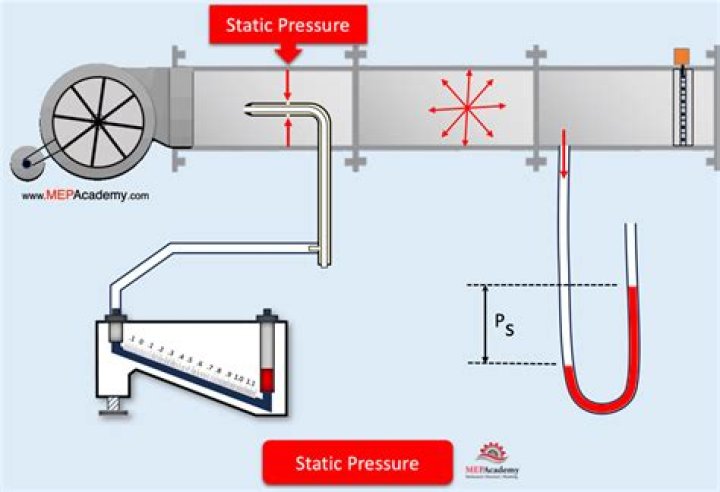
To determine operating total external static pressure. Measure pressures where air enters and leaves packaged equipment. Add the two readings together to ...

Ben Starav is the magnificent mountain, its great bulk rising on the south side of Loch Etive to fine rocky ridges. It is a fantastic viewpoint and gives ...

Bachelor’s Degrees A computer science degree is a common choice for aspiring high-level programmers. Computer science students who earn a Bachelor of Scie...
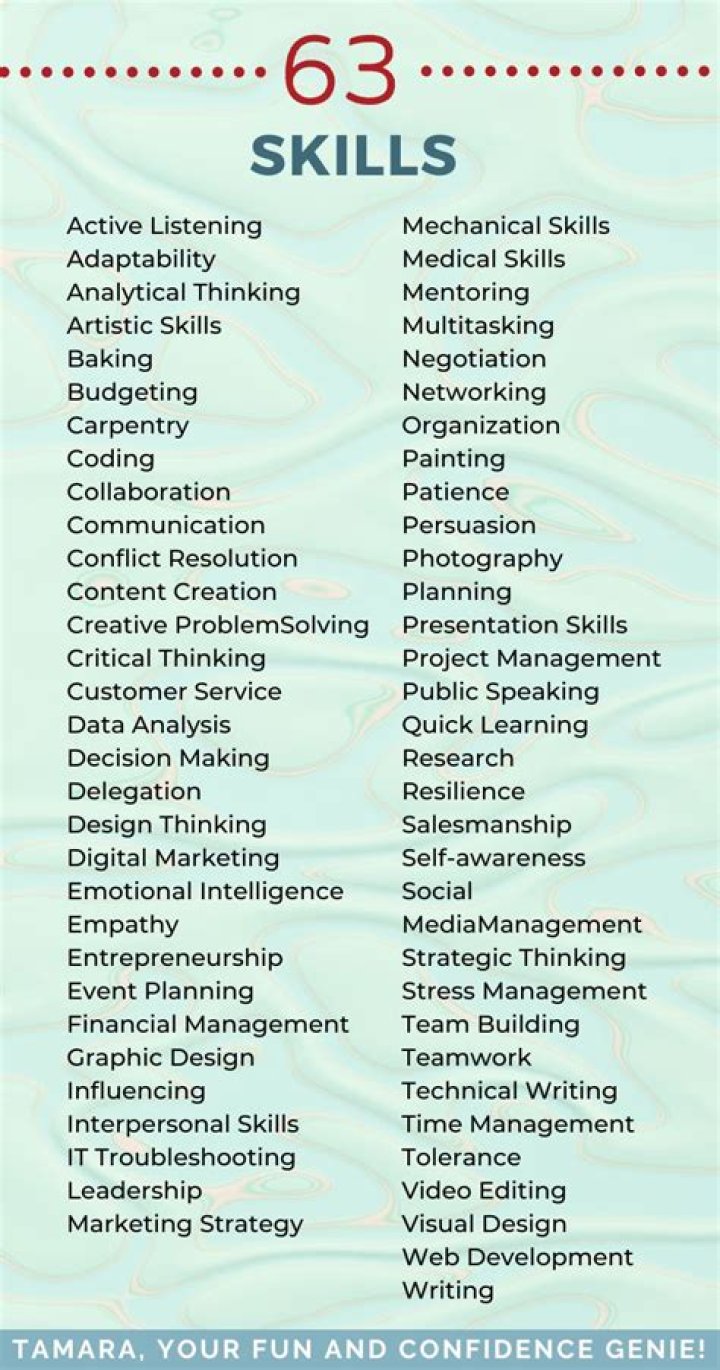
Talents might include innovation, adaptability, persuasion, communication, and teamwork. You may have previously described these capabilities as “soft ski...

Turn on or pause Location History On your Android phone or tablet, go to Timeline. Click Settings Location History Choose Enable Location History or Pause...

Enable the “AP” mode on the air conditioning unit. By activating the AP mode, the unit acts as an Access Point for the next 7 minutes. Create an INVmate a...

The registers serve as a group of read/write memory cells. A program, which is a read-only sequence of VM instructions. An execution unit to run the progr...

The rule is simple: It goes between the third and fourth buttons of your dress shirt.” “It may sound obvious, but a tie bar doesn’t just clip the front en...
Twenty-six percent were born in weeks 37 to 38; 57 percent in weeks 39 to 40; 6 percent in week 41; and less than 1 percent at 42 weeks or beyond. In 2017...
